Articles
Expert advice and guides from Home Theater Picks.

Laser vs Lamp vs LED Projectors: Lifespan, Brightness and...
Laser, lamp and LED projector light sources compared on real lifespan hours, brightness and running cost, with sources from manufacturers and reviewers.

ANSI Lumens vs Peak Lumens: Why Projector Brightness Claims...
How ANSI lumens are measured versus peak lumens, with the real Sony CRT projector example showing a sixfold gap between the two brightness figures.
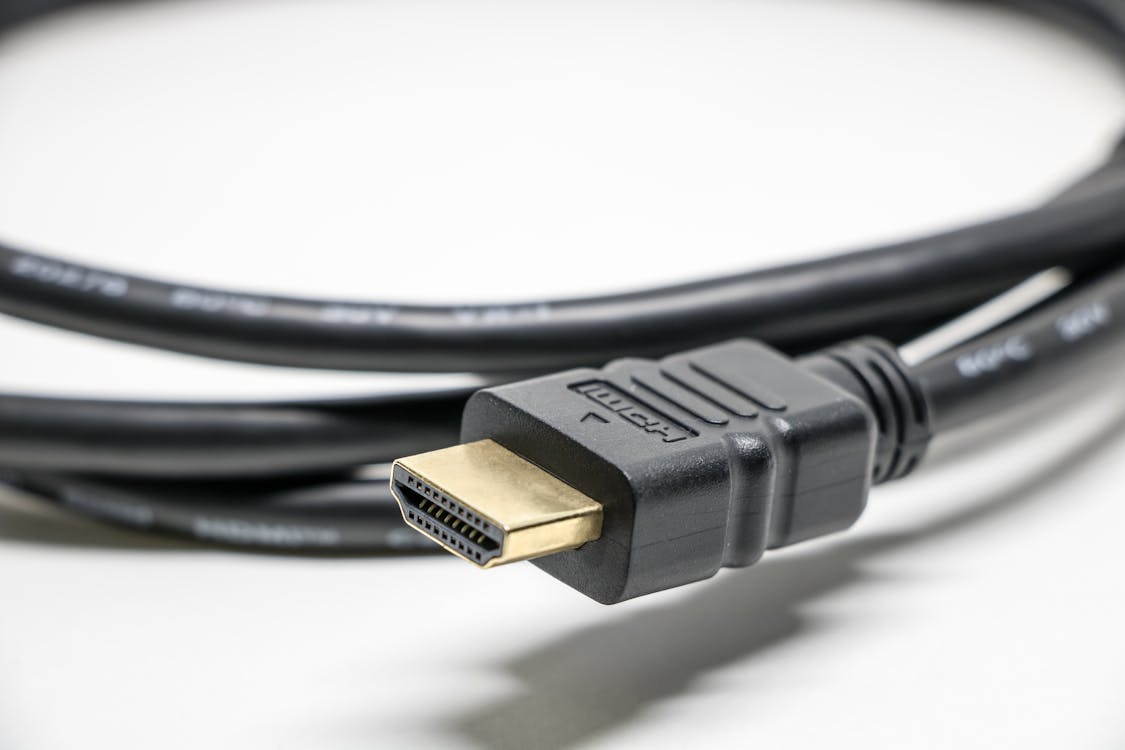
How HDMI Evolved: From HDMI 1.0 to HDMI 2.1 Explained
HDMI's bandwidth history from 4.95 Gbit/s in 2002 to 48 Gbit/s in HDMI 2.1, with the real eARC and gaming-feature figures that matter for a modern setup.

Dolby Atmos Explained: Object-Based Audio and Speaker Layouts
How Dolby Atmos renders sound as positioned objects instead of fixed channels, with real launch dates, adoption figures and home layouts from 3.1.2 to 24.1.10.

Projector Input Lag Explained: Why It Matters for Gaming
Input lag versus response time and refresh rate explained, with real BenQ figures showing a 5ms to 16ms gap between 4K and 1080p game-mode projectors.
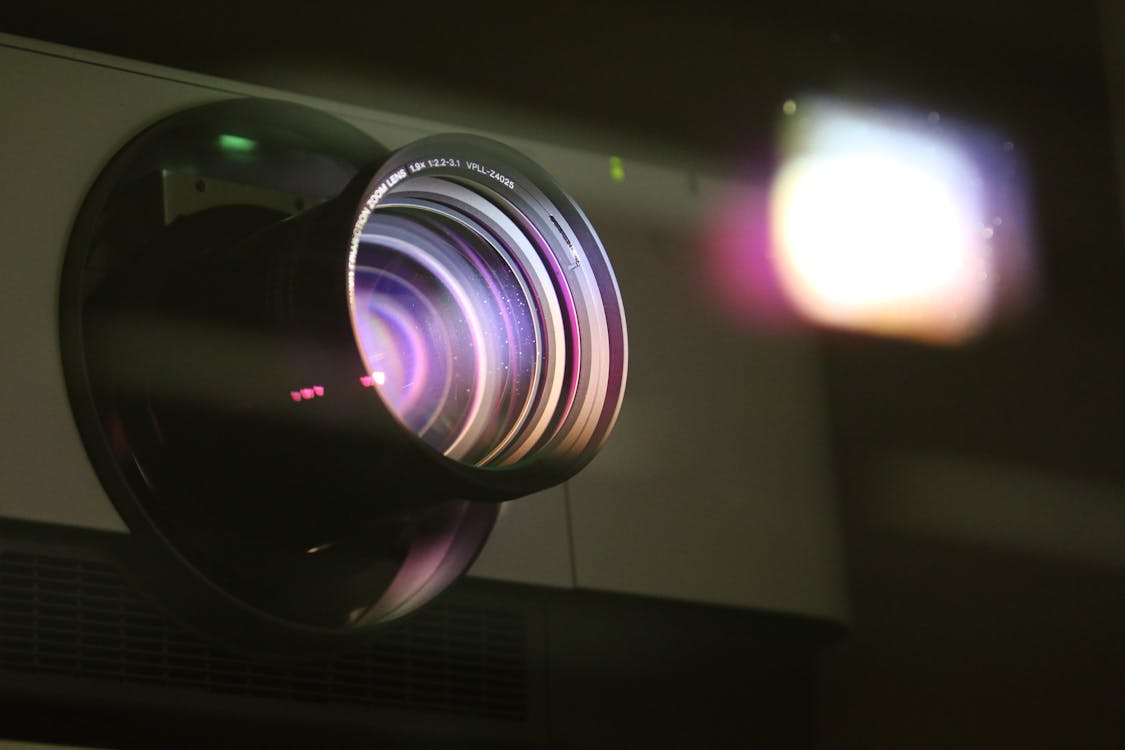
DLP vs LCD vs LCoS: How Projector Imaging Technology Works
DLP, LCD and LCoS projector imaging technology explained with real pixel-pitch, resolution and history figures, sourced from documented engineering references.

Native 4K vs Pixel Shifting: What '4K' Means on a Projector
Native 4K's 8.3 million pixels versus pixel-shifted projectors' roughly 4.17 million pixels explained, so buyers can decode what a '4K' box claim means.
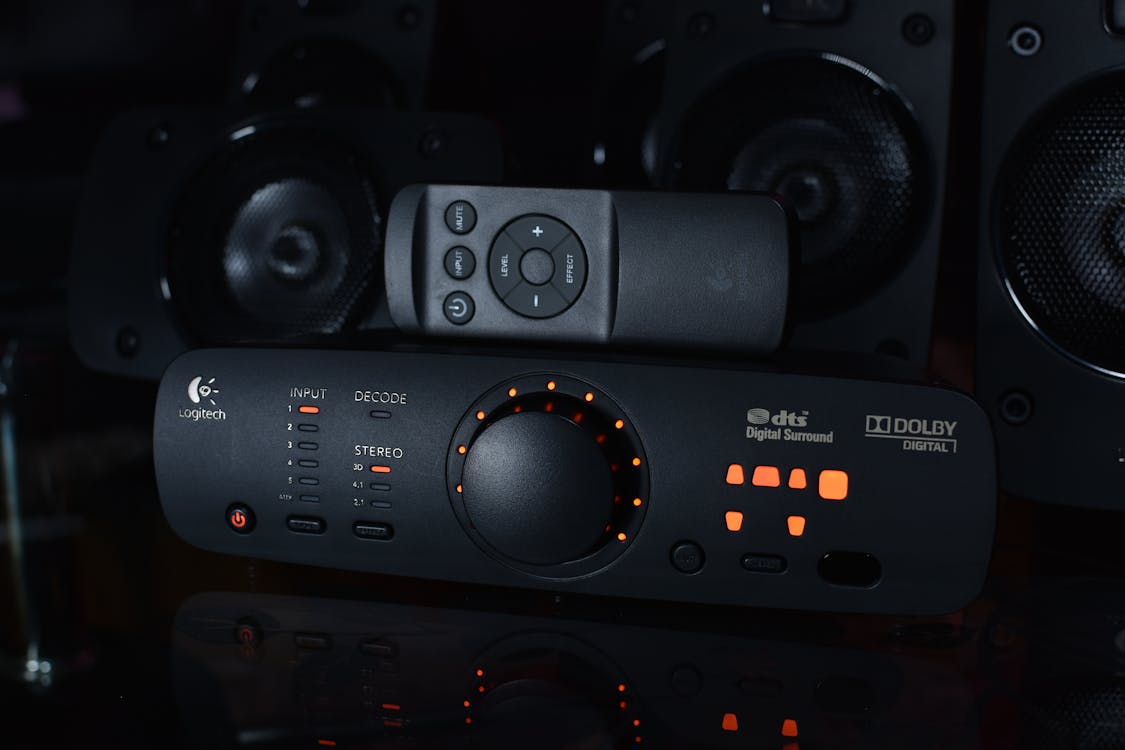
Speaker Sensitivity and Impedance: What the Spec Sheet...
Speaker sensitivity in dB and impedance in ohms explained with real measurement standards and examples, so buyers can avoid a genuinely bad amplifier pairing.

HDR on Projectors Explained: What It Actually Improves
HDR10, Dolby Vision and HLG explained for projector buyers, with real nits and metadata figures showing why projected HDR behaves differently than on a TV.

Projector Screen Gain Explained: Picking the Right Number
Screen gain from 0.8 to 2.5 explained with the real reference-white measurement standard and the viewing-angle tradeoff that comes with any high-gain screen.